
Labrador vs German Shepherd — Complete Breed Comparison Guide
- Feb 12
- 3 min read

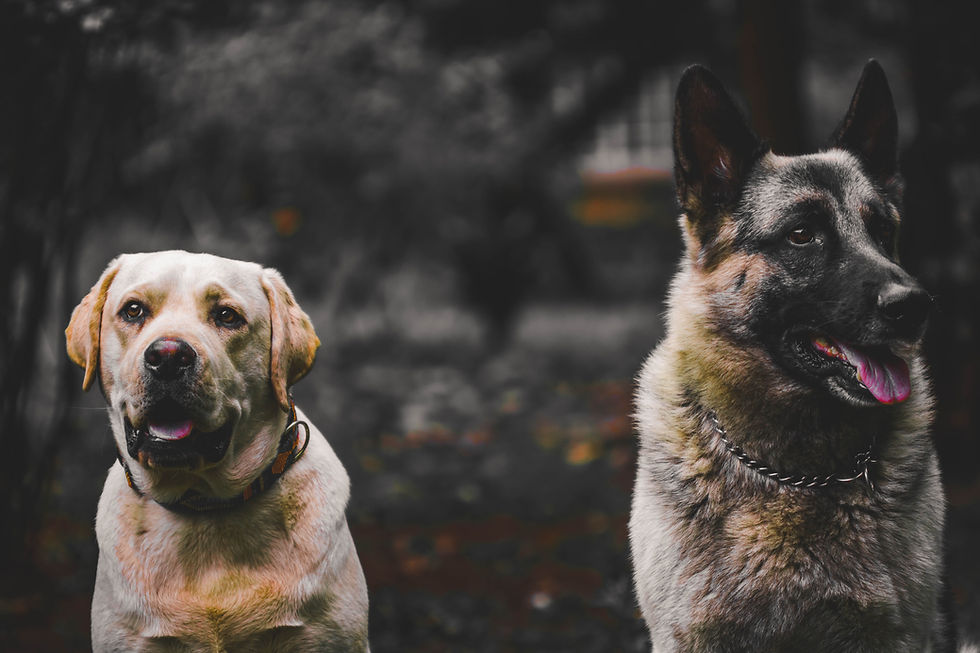
Deciding between a Labrador Retriever and a German Shepherd is a choice many potential dog owners encounter. Both breeds are known for their intelligence, loyalty, and widespread admiration, but they were developed for distinct purposes, making them suitable for different lifestyles. Labradors are celebrated for their friendly, outgoing nature and adaptability, while German Shepherds are recognized for their protective instincts, discipline, and heritage as working dogs. This comprehensive comparison examines temperament, exercise needs, grooming requirements, family compatibility, and more to help you determine which breed best fits your home and expectations.
Breed Background and Origins
Understanding a breed’s history offers valuable insight into behavior and personality.
Labrador Retriever Origins
Labradors originated in Newfoundland and were developed to assist fishermen and retrieve game. Their breeding focused on:
Cooperation with humans
Physical endurance
Water confidence
Trainability
These traits explain why Labradors excel as family pets and service dogs today.
German Shepherd Origins
German Shepherds were bred in Germany as herding and protection dogs. Their development emphasized:
Intelligence
Loyalty
Protective awareness
Obedience
This history contributes to their strong working instincts and suitability for police and service roles.
Quick Comparison Overview
Size
Labrador — Medium to large build
German Shepherd — Large, powerful frame
Temperament
Labrador — Friendly and social
German Shepherd — Loyal and protective
Energy Level
Both — High
Trainability
Both — Extremely high
Shedding
Both — Significant seasonal shedding
Family Suitability
Labrador — Excellent
German Shepherd — Excellent with training

Size and Physical Characteristics
Labrador Build
Adult Labradors typically weigh between 25–36 kg and feature:
Broad chests
Muscular frames
Short, dense coats
Their physical form reflects endurance and athleticism.
German Shepherd Build
German Shepherds generally weigh slightly more and display:
Sloped backs
Alert posture
Thick double coats
They are built for agility and strength.
Choosing Based on Size
Both breeds require space, but German Shepherds may appear more imposing due to posture and structure. Owners comfortable with larger guarding breeds may lean toward Shepherds, while those wanting a softer visual presence may prefer Labradors.
Temperament and Personality
Temperament is often the deciding factor.
Labrador Personality
Outgoing
Playful
Sociable
People-oriented
They typically approach strangers with friendliness and enjoy interaction.
German Shepherd Personality
Devoted
Protective
Alert
Confident
They often form strong bonds with owners and display territorial awareness.
Interaction Style
Labradors seek companionship through play and affection. German Shepherds express connection through loyalty and attentiveness.
Exercise Requirements
Both breeds require activity, though motivation differs.
Labrador Exercise Needs
Ideal activities include:
Swimming
Fetch
Running
Interactive games
They thrive on fun and engagement.
German Shepherd Exercise Needs
They benefit from:
Structured training
Agility tasks
Mental challenges
Patrol-style walks
They seek purpose-driven activity.
Matching Lifestyle
Active families may enjoy Labradors’ playful energy. Owners interested in training and discipline may appreciate Shepherds.

Grooming and Maintenance
Labrador Coat Care
Maintenance typically includes:
Weekly brushing
Seasonal shedding management
Short coats simplify upkeep.
German Shepherd Coat Care
Expect:
Regular brushing
More noticeable shedding
Double coat maintenance
Grooming commitment is slightly higher.
Family Compatibility
Labradors with Families
Highly tolerant
Excellent with children
Social adaptability
They integrate easily into most households.
German Shepherds with Families
Loyal guardians
Strong bonding
Protective instincts
Proper training ensures ideal integration.
Living Environment
Apartment Living
Neither breed is ideal without significant exercise.
Homes with Outdoor Space
Both thrive in environments allowing movement and exploration.
German Shepherds particularly benefit from territory awareness opportunities. Intelligence and Trainability
Both breeds rank among the most intelligent dogs.
Training strengths include:
Rapid learning
Responsiveness
Versatility
German Shepherds often excel in structured discipline. Labradors excel in cooperative learning.
Emotional Compatibility
This often shapes owner satisfaction.
Labradors provide:
Cheerful companionship
Emotional warmth
Play-driven bonding
German Shepherds provide:
Protective reassurance
Focused loyalty
Deep attachment
Different emotional dynamics suit different owners.
Tips for Choosing Between Them
🐾 Consider social expectations
🏃 Evaluate exercise commitment
🏡 Assess living space
🧼 Account for grooming tolerance
❤️ Reflect on companionship style
Selecting based on lifestyle fit ensures long-term satisfaction.
Final Thoughts
Labradors and German Shepherds are exceptional breeds, but they fulfil different roles in a household. Labradors offer friendliness, adaptability, and playful engagement, while German Shepherds provide loyalty, intelligence, and protective companionship.
Neither breed is universally superior, the right choice depends on alignment between temperament and owner expectations. Taking time to evaluate lifestyle, space, and training interest will ensure a successful partnership with your future dog.


Comments